





Sign up today and see the results for yourself!
Want to speed up your verification process?
Share a screenshot of your ad revenue from the past 3 months.
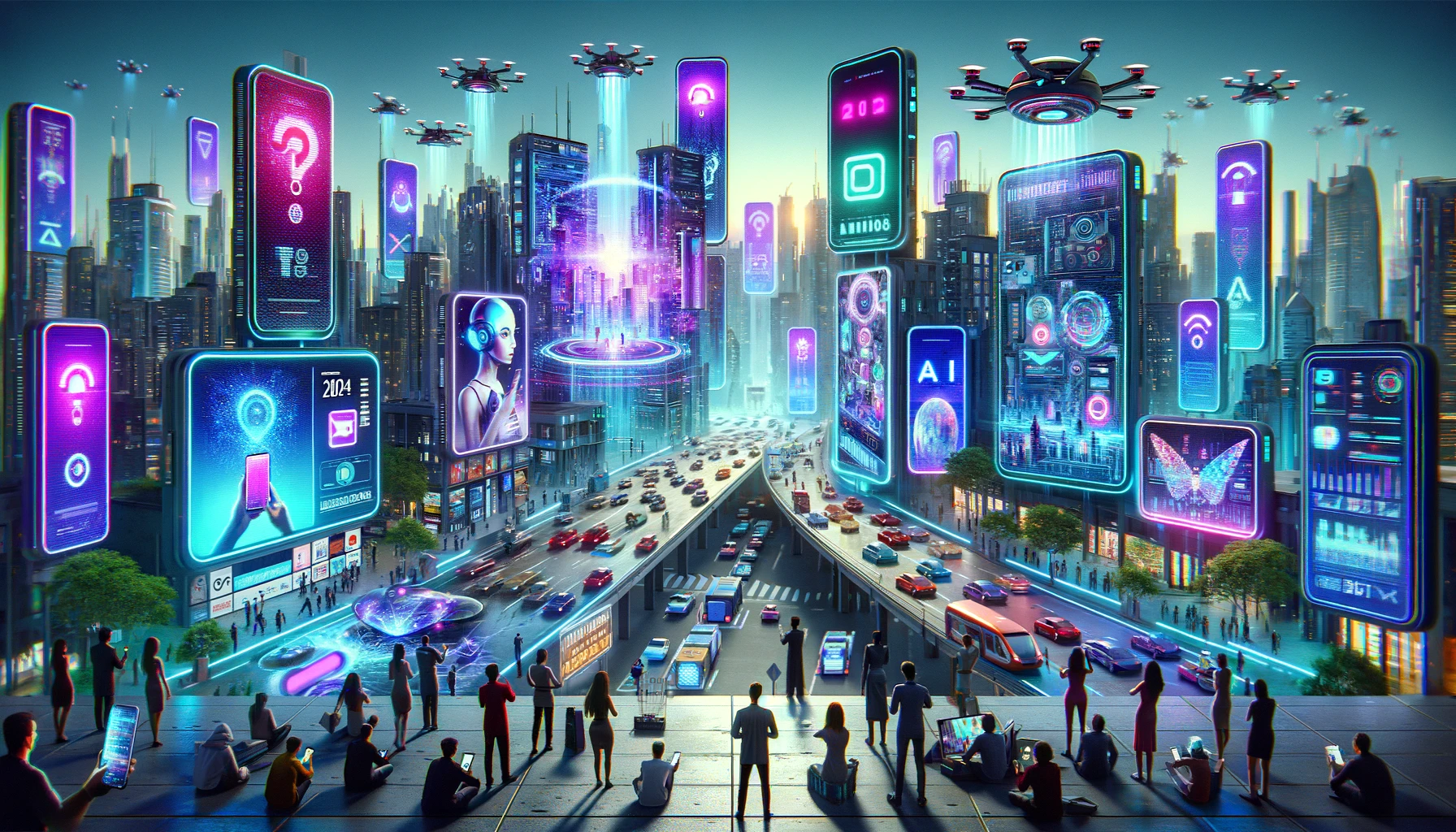
If you walk into an AdTech boardroom today, you will see a lot of smiling faces. They look confident. They talk about agentic workflows and autonomous optimization. But if you look closer, they are clutching spreadsheets that are beginning to tremble.
2026 is the year of maximum exposure. It is the year where the industry habits and self-mythology finally collide with reality. It will be the worst year because the masks are going to slip, but it will be the best year because once the nonsense burns off, something sturdier will be left standing.
Below are the fundamental shifts that will define the AdTech landscape in 2026.
Related read: https://www.monetizemore.com/blog/programmatic-advertising-explained/

The wall between linear and digital TV is finally crumbling. In 2026, Connected TV will move beyond being a brand awareness engine. It will become a shoppable commerce engine where entertainment, discovery, and transaction happen in a single, seamless flow. Major streaming platforms will have deep-linked partnerships with retail media networks. Viewers will be able to purchase products featured in a show directly through their remote or a synchronized mobile app without ever pausing the content.
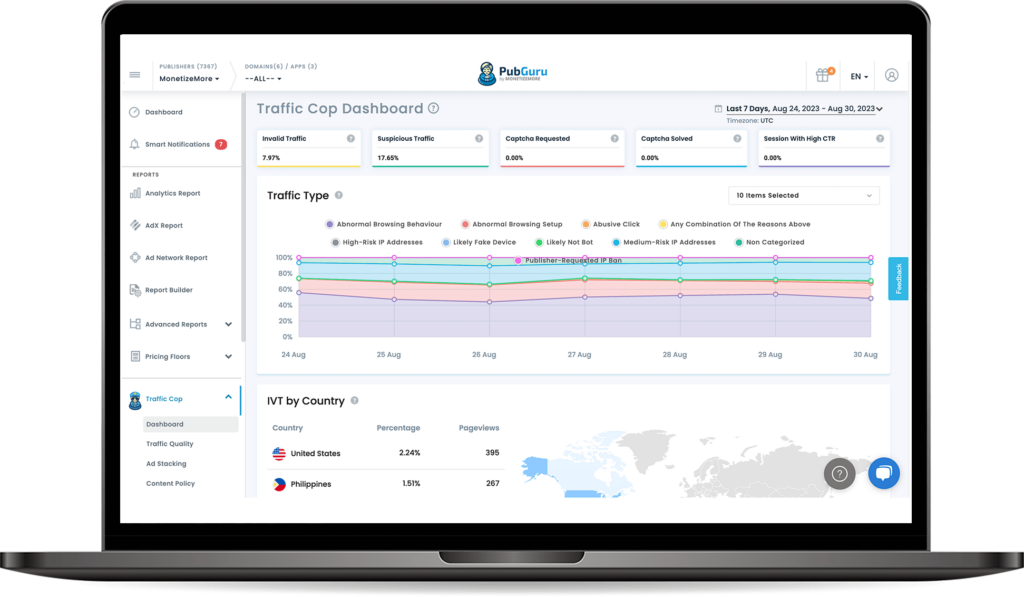
In 2025, we saw a marked increase in the sophistication of bot activities, which made them harder to detect. This trend, combined with fraudulent activities like ad stacking and pixel stuffing, led to a significant rise in IVT. As a result, advertisers have been increasingly worried about the diminishing returns on their investments, with a large portion of their budgets being wasted on non-human traffic.
From my perspective, this surge in IVT poses a real threat to publishers’ reputations and their financial viability. The perception that their digital spaces are compromised by invalid traffic could lead to a loss of trust from advertisers, potentially resulting in a decrease in ad revenue. Similarly, as someone closely monitoring the trends, I see Supply-Side Platforms (SSPs) and Demand-Side Platforms (DSPs) facing their own set of challenges. They need to enhance their technology to better identify and filter out this sophisticated IVT, a task that is both costly and demands ongoing innovation.
In response to these challenges, I foresee a significant focus in 2025 on developing and implementing advanced IVT detection tools. Award-winning tools like Traffic Cop which harness AI and machine learning, will be key in effectively identifying and combating bot traffic. I also anticipate a move towards greater collaboration within the industry. Sharing data and insights to fight IVT collectively could lead to the establishment of industry-wide standards and a boost in transparency.
In 2026, saying you do not have AI is treated like saying you do not believe in electricity. However, the market is finally catching on to the Programmatic Costume Change. Most of what is currently sold as AI is actually old-school machine learning with a modern interface. Vendors who once sold bidding algorithms are now rebranding them as AI Decision Engines to justify their existence.
We are seeing:
Thanks to the spotlight on made-for-advertising (MFA) sites, AdTech will be getting a big makeover. These sites, hogging a big chunk of online impressions, are not just guzzling down global ad spend but also upping the carbon waste and muddling supply-chain optimization.
The good news though: in-app and CTV are totally MFA-proof, offering a savvy shift in where the budget’s going. We’re seeing a cool move from exchange spends to more deal spends, like PMPs. Media buyers are getting smart, leaning into platforms offering first-party audience synergies and data that go beyond just behavior tracking.
The buzzword of the year is Agentic AI. While platforms promise autonomous systems that can think and decide, many are actually just thin wrappers around third-party APIs. In 2026, buyers will stop asking about architecture and start demanding Outcome Theater. If it does not lower the cost per acquisition or speed up execution, the AI label will no longer save the contract.
Industry analysts predict that over 40% of agentic AI projects will be canceled by the end of 2026. Why? Because the cost of “reasoning” (the heavy computing required for LLMs to make decisions) often exceeds the actual media savings. The vendors who will survive the 2026 “Honesty Audit” are those who use agents for Outcome Theater, lowering CAC and speeding up execution rather than just adding another layer of expensive middlemen to the program.
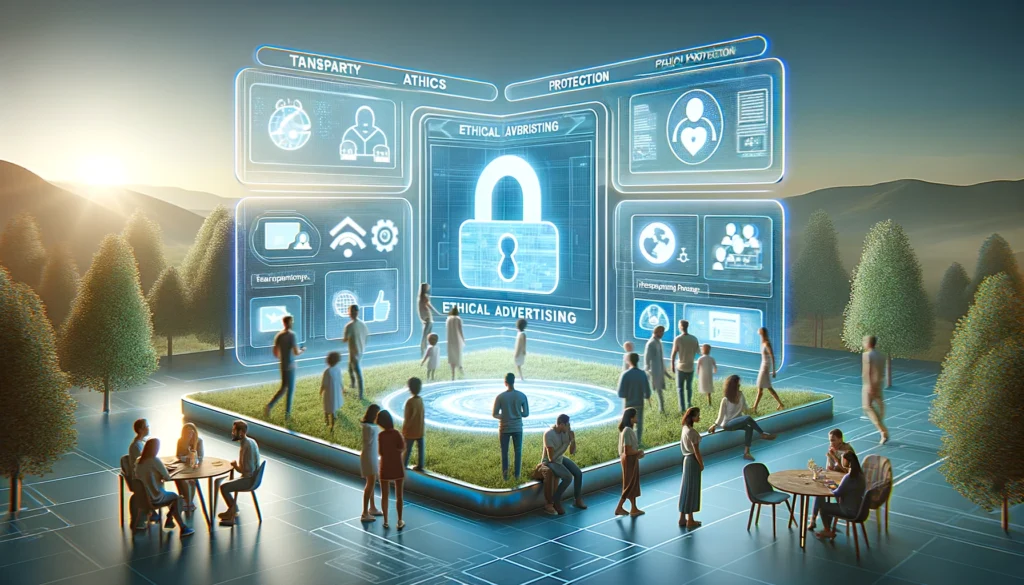
The upcoming AdTech era will be characterized by enhanced collaboration between buyers and sellers, focusing on the transparent and ethical exchange of data. This shift marks a significant change in how the industry values and handles consumer privacy and data transparency.
While the ad revenues might dip in the short term, publishers will be able to compensate for these dips via more optimal ad tech implementations and optimizations like server-to-server, video header bidding, and bot blocking. Opportunities to increase RPMs and ad revenues have never been greater for publishers, but a proportional demand for resources would be necessary. As the industry matures, complementary tools and services will be available to make these types of implementations more accessible.
2026 will look even better for you with 10X more ad revenue. Click here to achieve that now.
Kean Graham is the CEO and founder of MonetizeMore & a pioneer in the Adtech Industry. He is the resident expert in Ad Optimization, covering areas like Adsense Optimization,GAM Management, and third-party ad network partnerships. Kean believes in the supremacy of direct publisher deals and holistic optimization as keys to effective and consistent ad revenue increases.



10X your ad revenue with our award-winning solutions.