








Sign up today and see the results for yourself!
Want to speed up your verification process?
Share a screenshot of your ad revenue from the past 3 months.
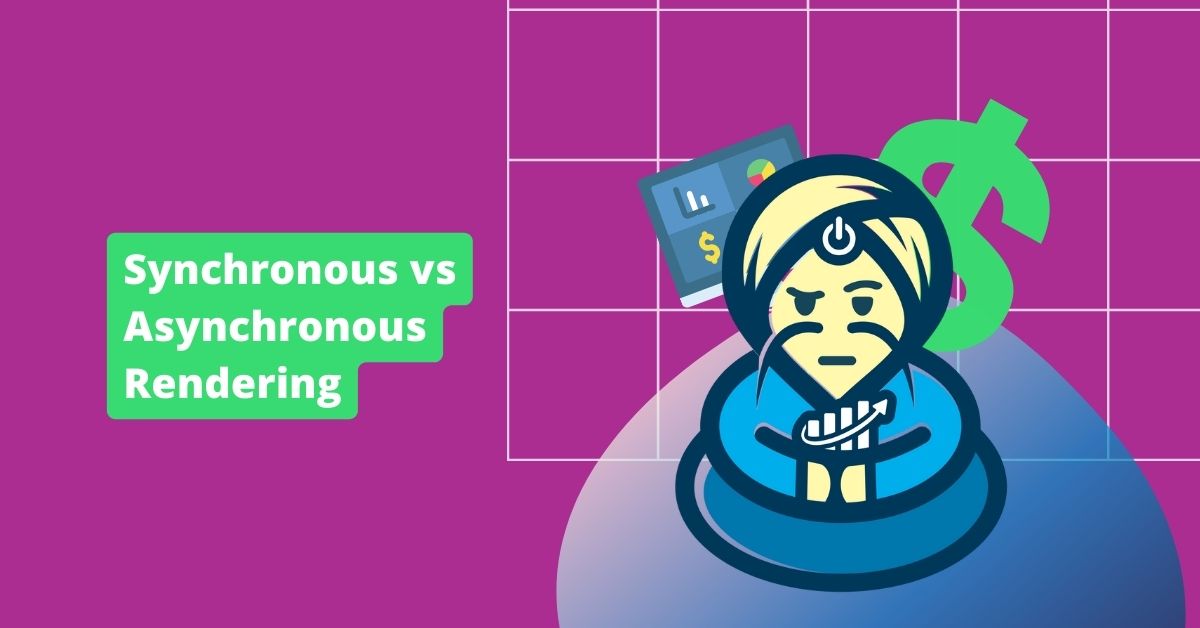
In AdTech, the battle between Synchronous and Asynchronous rendering is akin to a grand chess match, where every move impacts user experience and website performance. Synchronous rendering, with its structured and sequential approach, promises predictability and cohesiveness. In contrast, Asynchronous rendering champions speed and adaptability, ensuring users access content swiftly, irrespective of ad loads.
But which reigns supreme? Dive in as we dissect their strengths, weigh their limitations, and crown the ultimate victor for your digital strategy.
Synchronous mode makes the content and ads load depending on the order in which the browser reads them. This type of rendering is best for pages that use multi-sized ad units as the rest of the page content will load after the ad is served and adjust depending on its size, avoiding the possibility of a distorted site layout.
This is also the required mode when you’re running passback tags. In some instances where the ad didn’t return the ad request right away, the rest of the content won’t load as well which causes the user to wait. The result is a negative effect on the quality of the website experience.
When it comes to dynamic advertising, one challenge publishers face is the varying sizes of ad units. Synchronous rendering elegantly addresses this:
Passback tags are a fallback mechanism in online advertising. If the primary ad server cannot find a suitable ad to display, the passback tag redirects the request to another ad server. Given the sequential nature of synchronous rendering:
One of the main concerns with this method is its susceptibility to delays:
Unlike with synchronous, a user visiting pages that utilize the asynchronous mode gets to see the page content without having to wait for the page to display the whole content. The type of rendering mode loads pages independently from the ads.
In the asynchronous mode, the browser doesn’t adhere to a strict sequence for loading elements. Instead:
Additional Insights:
It is highly recommended that asynchronous rendering and the SRA option in Google Ad Manager are enabled as they yield the best page load experience and the potential to serve guaranteed roadblocks as well as advertisers that competitors won’t serve their ads simultaneously to (competitive exclusion). This is the only rendering mode that makes ad slot refresh using the pub service. Refresh work.
Previously, GPT GET requests larger than 4096 bytes were not supported and were being cut short. To avoid truncation, they converted GET requests to POST request method which is now supported by asynchronous GPT tags only.
SafeFrame in Ad Manager is enabled by default when using GPT tags and recommended over-friendly iframes. It protects the sensitive data of the site from getting accessed by external elements but does not affect the data collection necessary to serve relevant ads to the site.
While asynchronous rendering offers many advantages, it’s essential to:
Both rendering modes have their advantages and disadvantages. If you prefer to give the user experience more importance, choosing asynchronous rendering could be the best option. But in case you have multisize and passback ads running in your inventory, the synchronous rendering mode should be implemented to avoid ruining your site layout.
Navigating the complexities of ad setups and revenue optimization can be daunting. Seeking expert guidance can be a game-changer. Consider partnering with industry leaders like MonetizeMore to elevate your monetization strategy. We are ready to help! Sign up for a Professional account at MonetizeMore today!

Kean Graham is the CEO and founder of MonetizeMore & a pioneer in the Adtech Industry. He is the resident expert in Ad Optimization, covering areas like Adsense Optimization,GAM Management, and third-party ad network partnerships. Kean believes in the supremacy of direct publisher deals and holistic optimization as keys to effective and consistent ad revenue increases.

10X your ad revenue with our award-winning solutions.